Racing Drone Motor
Qianjiang is a professional motor manufacturer based in China. We offer high-performance racing drone motors specifically designed for FPV racing drones, balancing lightweight construction, high RPM, explosive power, and excellent heat dissipation. We support everything from prototype development and small-batch production to mass manufacturing; please feel free to contact us.
Send Inquiry
Product Description
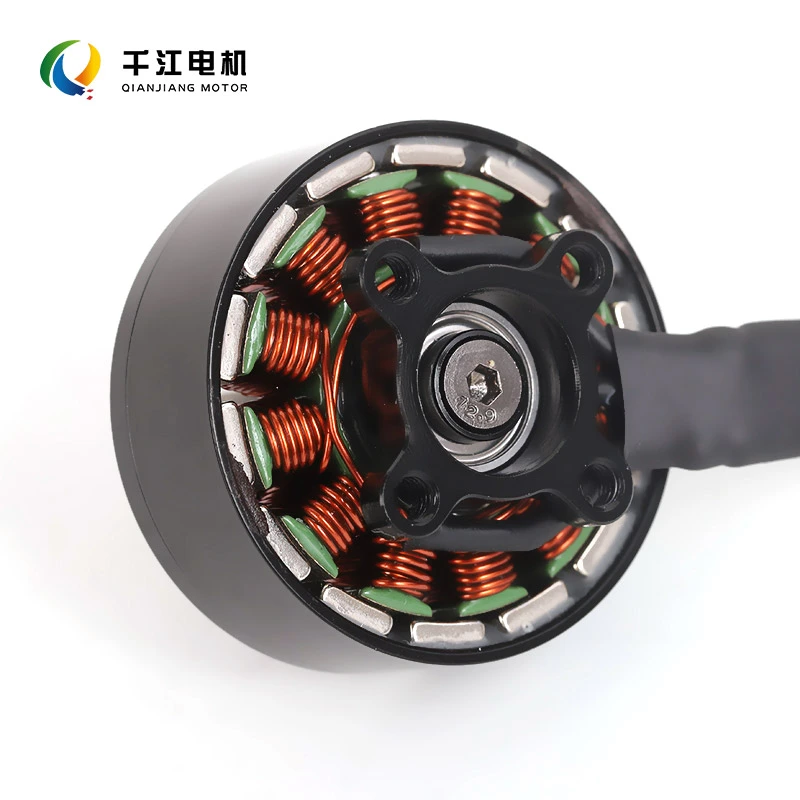
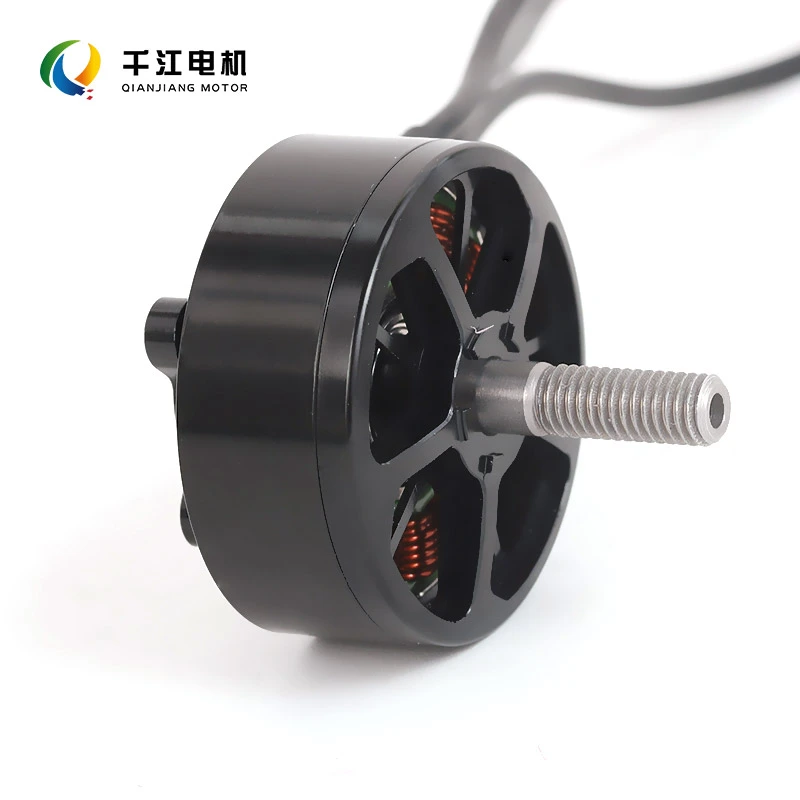
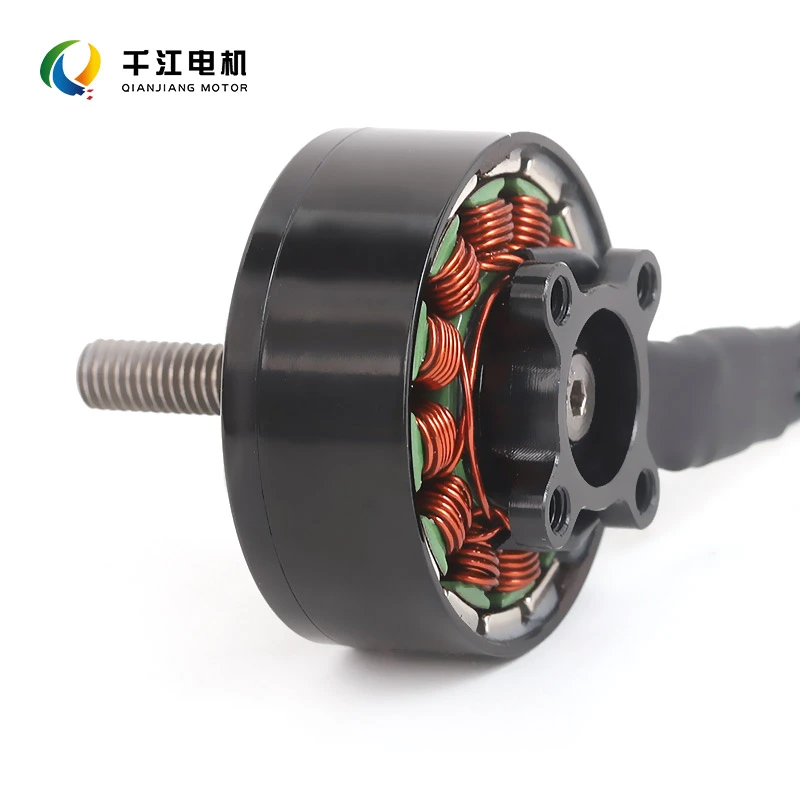
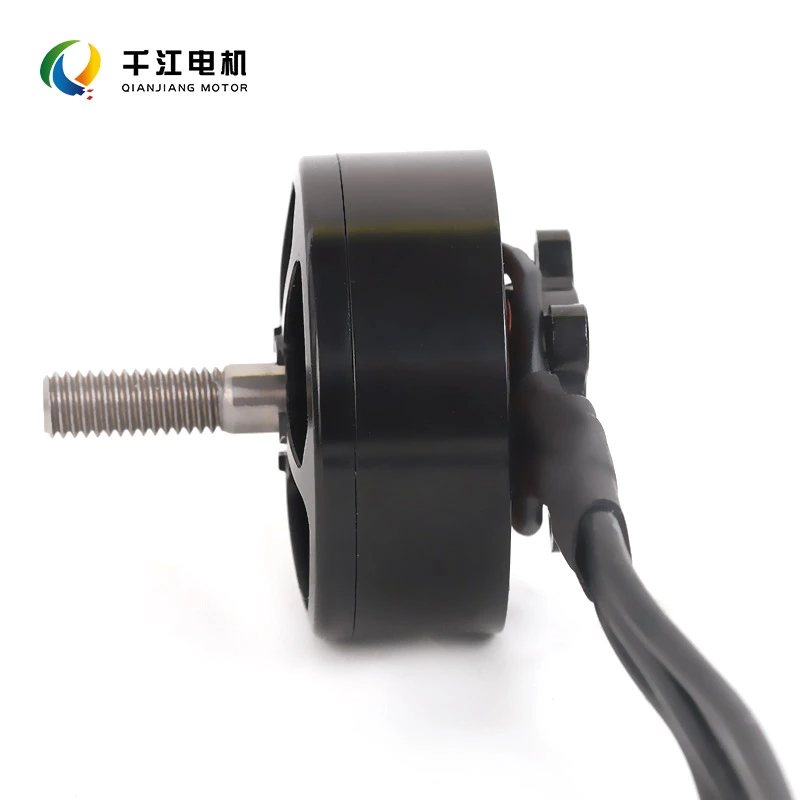
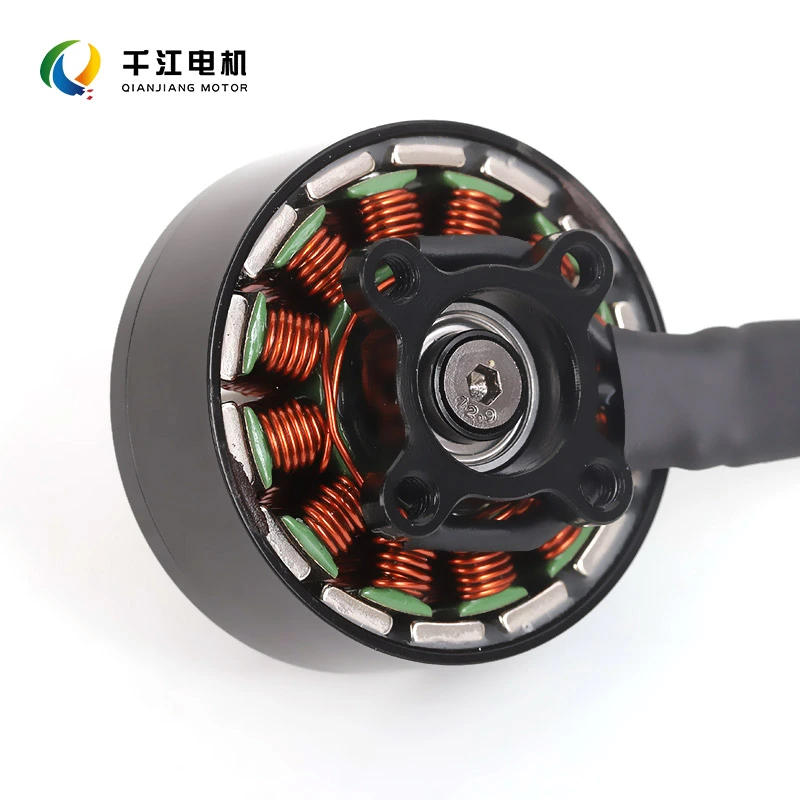
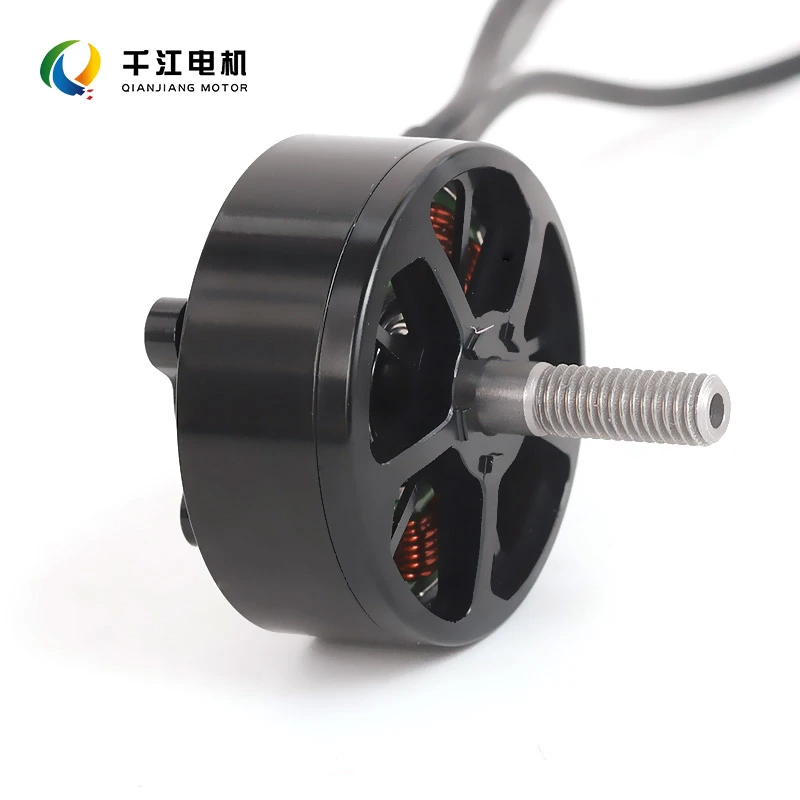
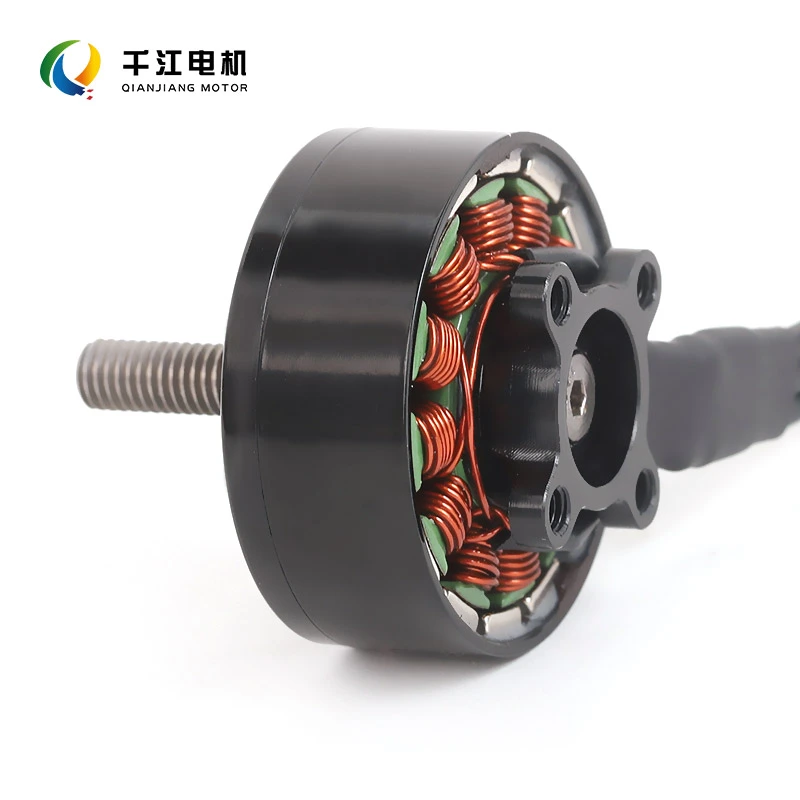
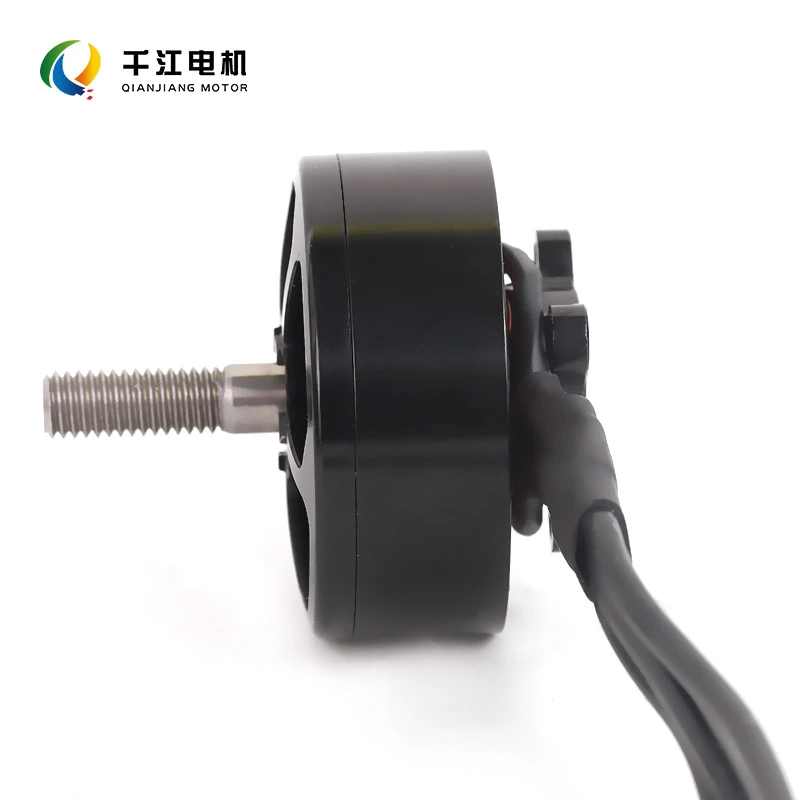
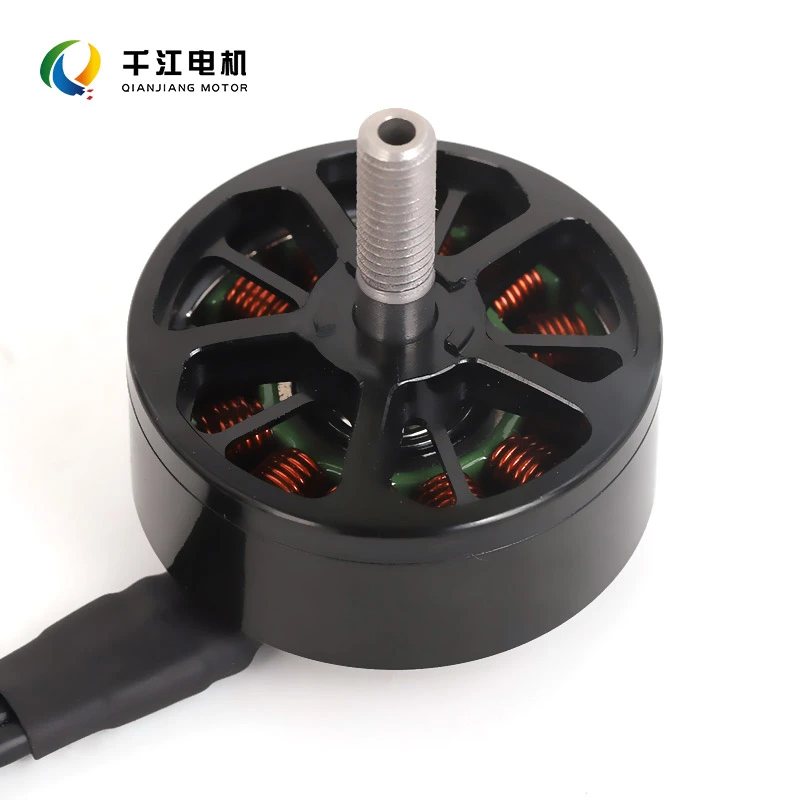
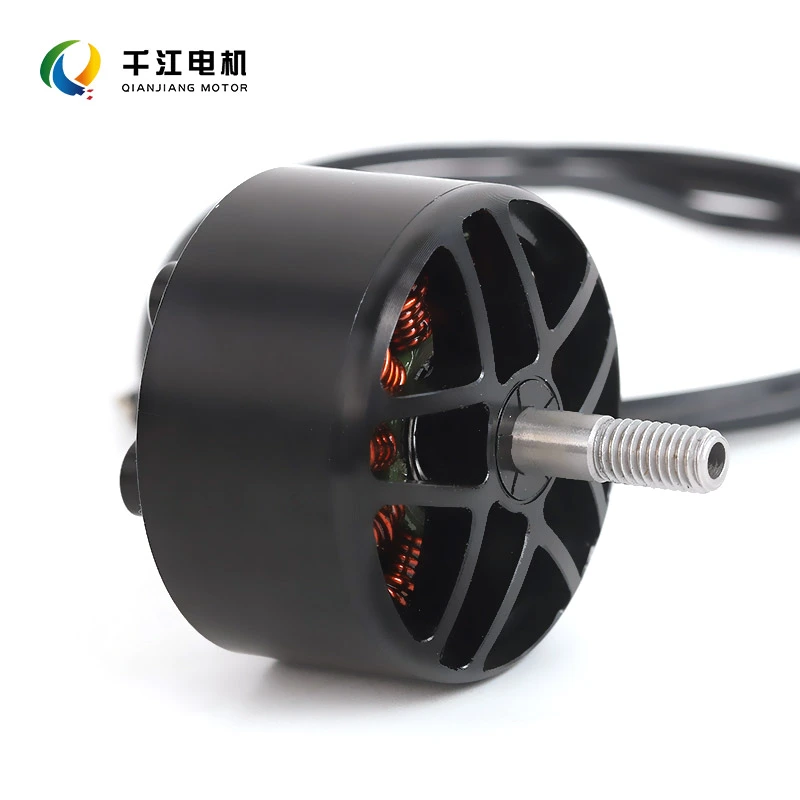
The Racing Drone Motor developed and manufactured by Qianjiang Motor is a high-performance brushless outrunner motor that balances lightweight design, high RPM, explosive power, and efficient heat dissipation.
It delivers rapid power response and precise throttle control, meeting the demands of freestyle flying, high-speed racing, sharp dives, and aggressive flight maneuvers.
Compatible with 3-6S LiPo batteries and mainstream flight controllers and ESCs, it supports mass-production integration and aftermarket upgrades, with ODM customization available for KV ratings, shaft diameters, and wire exit configurations.
The kit includes: 4 racing brushless motors, rubber vibration-dampening washers, a mounting screw set, and an instruction manual.
Technical Specifications
| Item | Specifications |
| Motor Type | Outrunner brushless motor for RC aircraft |
| Stator Size | 2207 / 2306 / 2407 (selectable) |
| KV Rating | 2400KV–4200KV (selectable) |
| Compatible Battery | 3–6S LiPo battery |
| Shaft Diameter | 5mm (standard racing shaft) |
| Casing Material | CNC aluminum alloy |
| Bearings | High-precision RC-grade bearings |
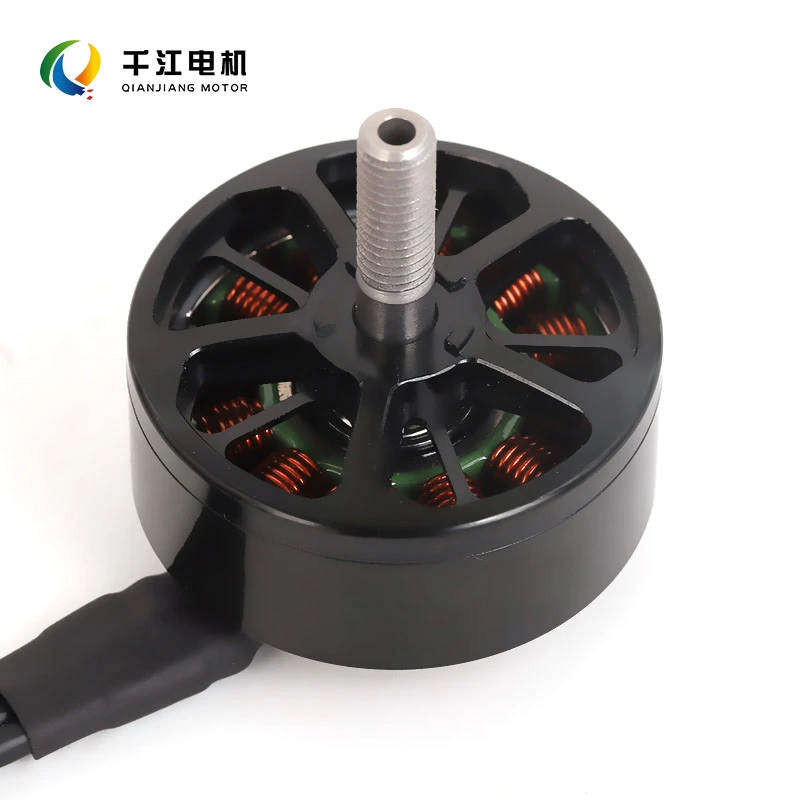
| Cooling Structure | Hollowed-out rotor for air-cooled heat dissipation |
| Wire Exit Method | Flexible silicone wires |
| Compatible Propeller | 5–6 inch racing propellers |
| Weight | 27–34g (per unit) |
Key Advantages
1. High Burst Power
Featuring an optimized magnetic circuit design, this racing drone motor delivers powerful, instantaneous burst power and linear throttle response. It enables crisp, decisive maneuvers—such as rapid acceleration, steep dives, and acrobatic rolls—making it ideal for both competitive racing and freestyle flying.
2. Lightweight Construction
Utilizing a CNC-machined, high-strength aluminum alloy housing, the motor reduces overall weight while maintaining structural integrity, thereby enhancing flight agility and extending flight time.
3. Excellent Heat Dissipation
The hollowed-out rotor design allows airflow to directly dissipate heat from the windings during flight. This keeps temperature rise under control during intense, prolonged racing sessions, minimizes the risk of high-temperature demagnetization, and ensures stable performance during continuous operation.
4. Impact-Resistant and Durable Structure
The motor features a reinforced rotor base and high-precision, hobby-grade bearings. This robust design offers superior impact resistance against crashes and collisions, reducing the likelihood of damage during flight mishaps.
5. Multiple KV Options
A wide range of KV ratings is available to accommodate 3S–6S LiPo batteries and various propeller sizes, meeting the specific tuning requirements for both racing and freestyle flying.
6. Compatibility with Mainstream Components
The product is compatible with mainstream FPV ESCs, flight controllers, and propellers on the market.
Options include direct-solder terminals and customizable silicone wire lengths; custom logo branding is available for bulk orders.
Product Applications
Racing drone motors are suitable for:
● FPV racing drones and competition-grade drones
● Freestyle FPV drones and 5-inch/6-inch racing frames
● Modifications and upgrades by RC model workshops
● Mass-production supply for drone manufacturers
FAQ
Q: How do I choose the right KV rating?
A: KV represents the motor's no-load RPM per volt of input voltage. High KV is suitable for smaller propellers and high-speed racing; low KV is suitable for larger propellers and provides higher torque.
Pair 6S batteries with low-to-medium KV motors and 4S batteries with high KV motors. Avoid using propellers that exceed specifications, as this can burn out the motor.
Q: Is it normal for the motor to get hot?
A: It is normal for the motor to feel warm after aggressive racing flights; it is acceptable if you can touch it for 2–3 seconds immediately after landing.
If the motor is too hot to touch or emits a burnt smell, the propeller is likely too large or the ESC current limit is set too high; you should immediately reduce power or switch to a smaller propeller.
Q: What should I check on the motor after a crash?
A: ① Rotate the rotor to feel for any binding or stator rubbing.
② Check if the shaft is bent.
③ Listen for any abnormal noise from the bearings.
④ Inspect the motor windings for damaged insulation.
If stator rubbing or a bent shaft is detected, it is recommended to replace the motor immediately; continuing to fly with these issues can easily burn out the ESC.
Q: Can I mix motors with different KV ratings?
A: It is not recommended. All four motors on a quadcopter must have the same KV rating. Mismatched KV ratings cause power imbalances, leading to flight instability, loss of attitude control, and a high risk of crashing.
Hot Tags: Racing Drone Motor Manufacturer, Brushless Racing Drone Motor, FPV Racing Drone Motor
Send Inquiry
Please feel free to fill your inquiry in the form below. We will reply you in 24 hours.
Related Products
-
E-mail
X
We use cookies to offer you a better browsing experience, analyze site traffic and personalize content. By using this site, you agree to our use of cookies.
Privacy Policy