FPV Drone Motor
Welcome to order high-quality FPV drone motors from Qianjiang Motor. As a professional manufacturer, we research and produce over 80 motor models; we hold ISO 9001 and CE certifications and collaborate with top institutions such as Tsinghua University, Harbin Institute of Technology, and Nanjing University of Aeronautics and Astronautics.
Send Inquiry
Product Description
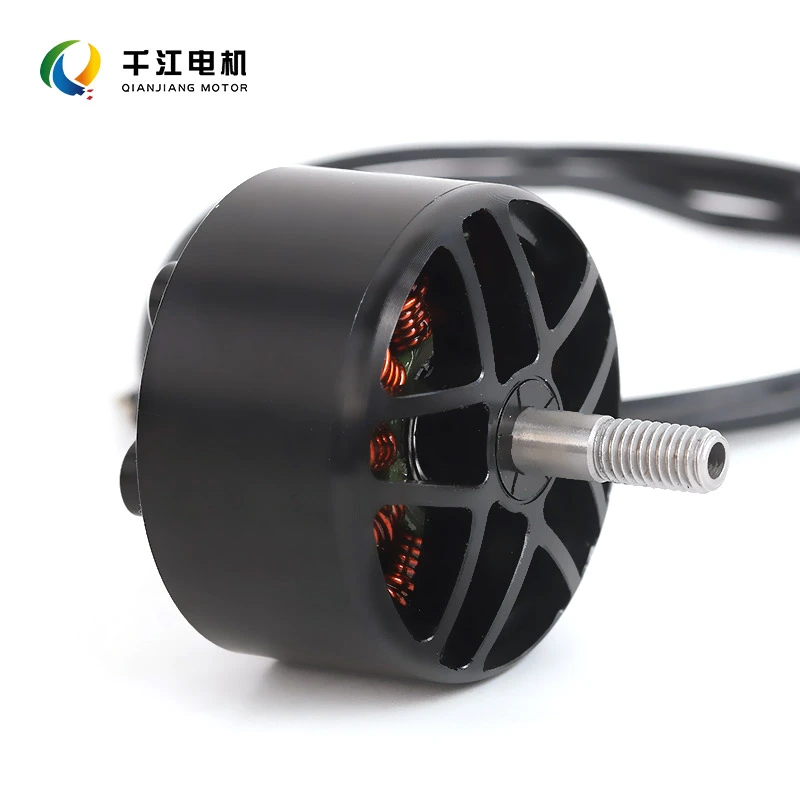
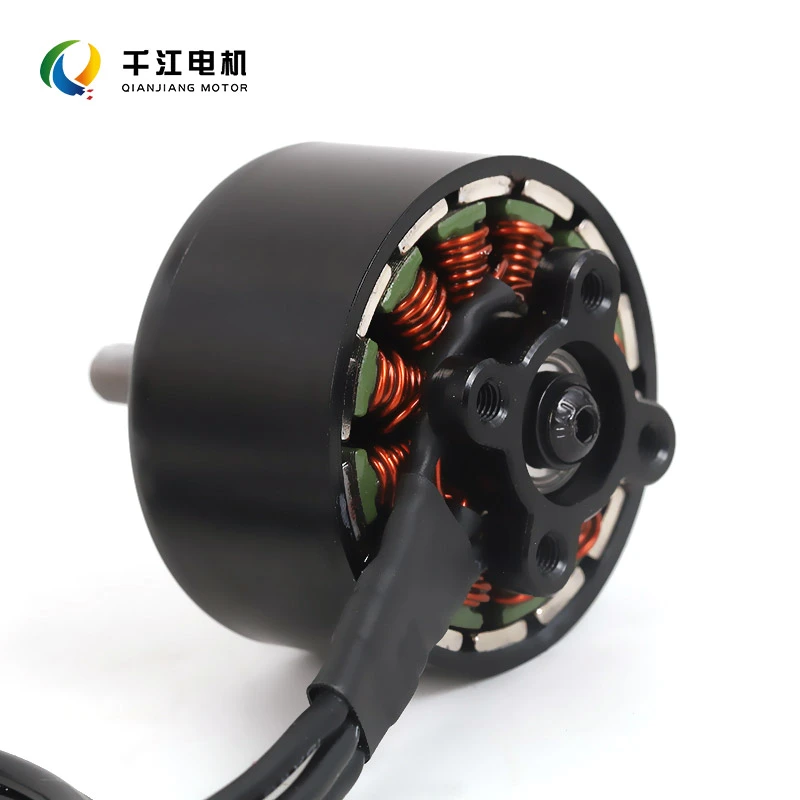
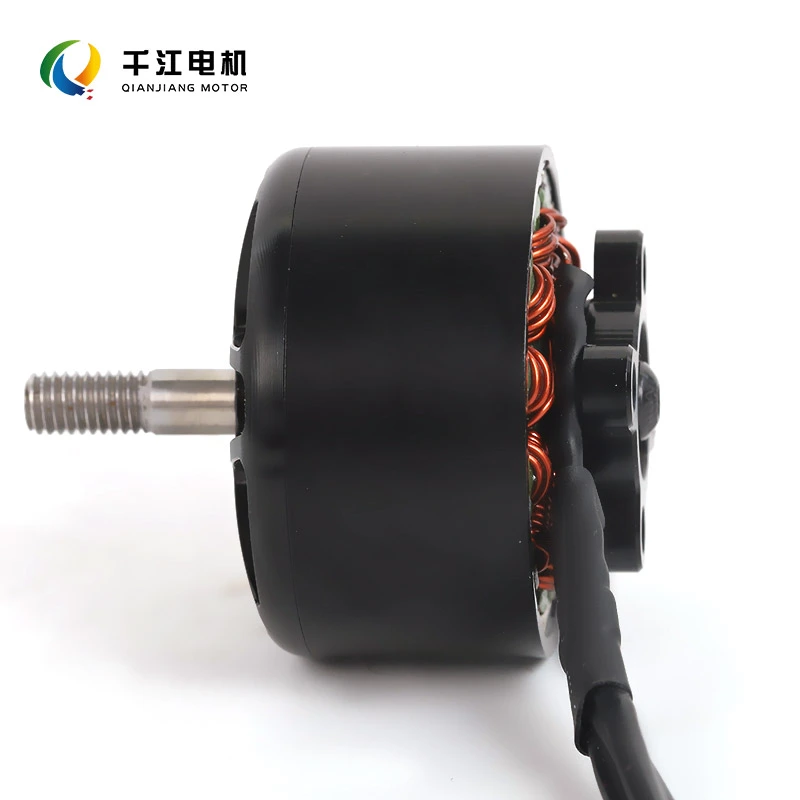
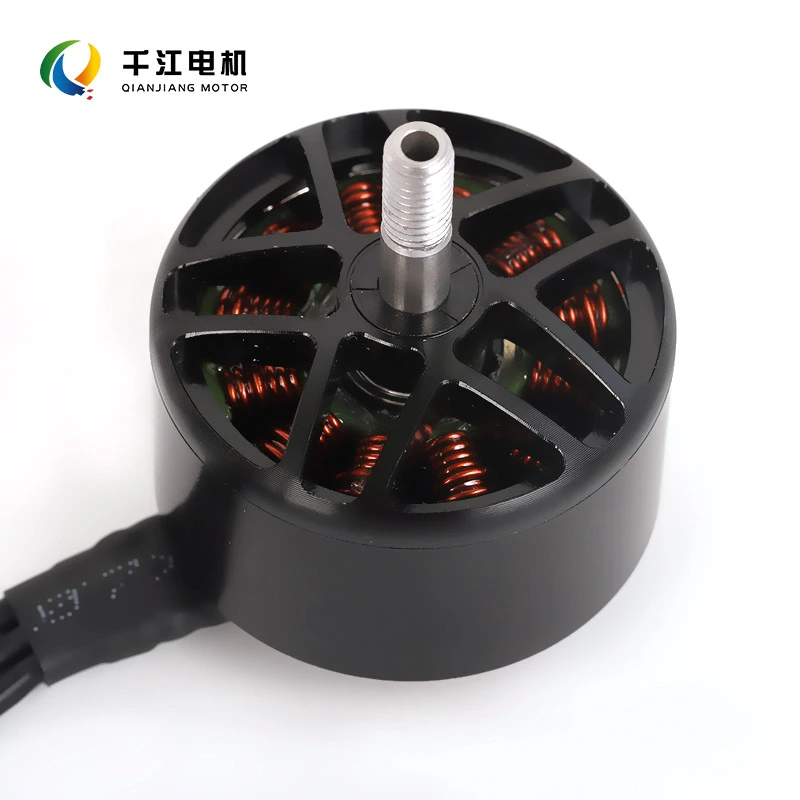
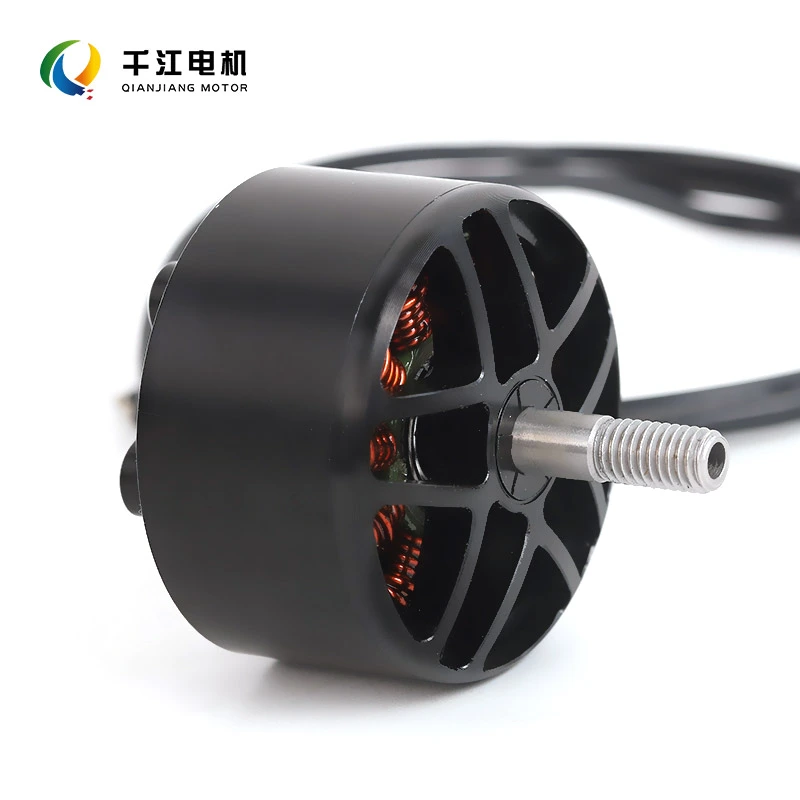
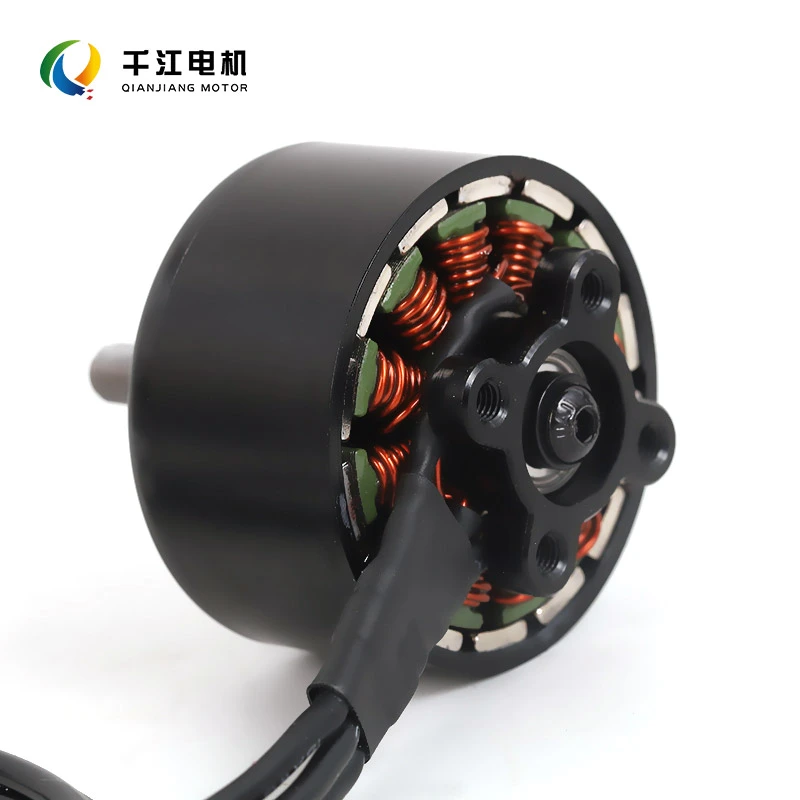
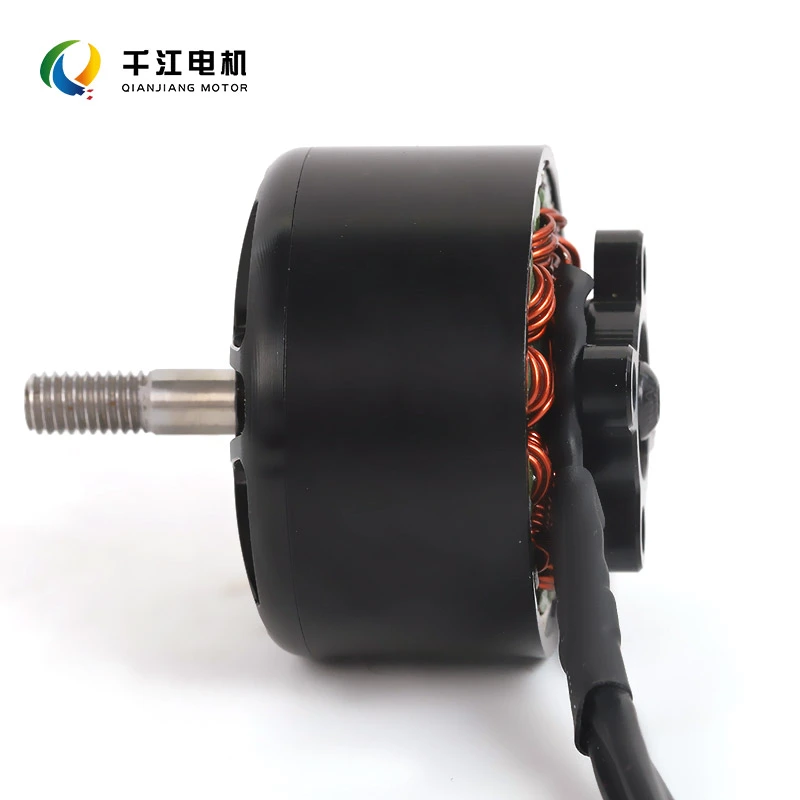
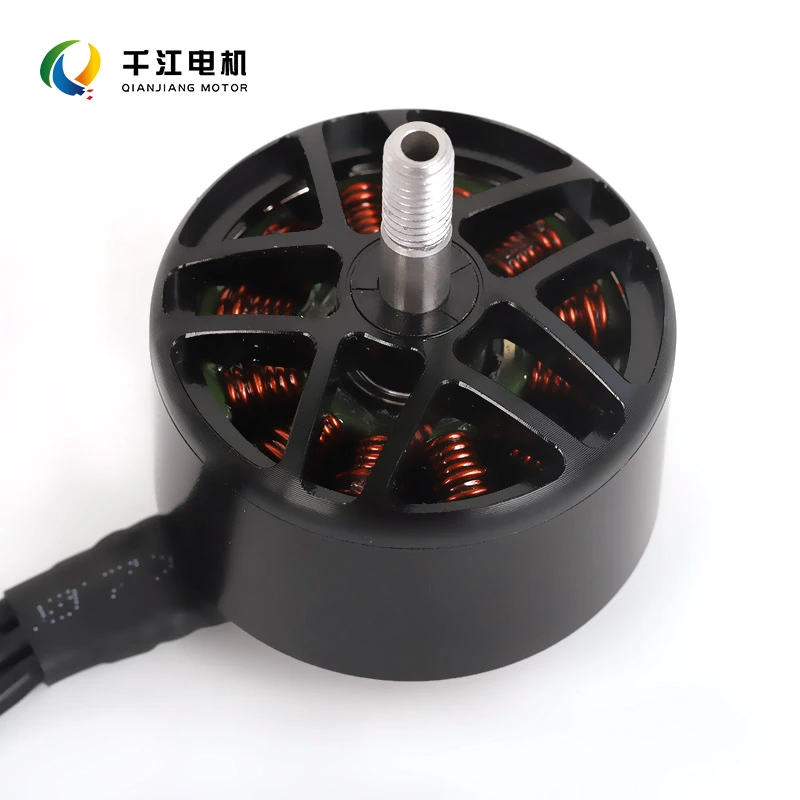
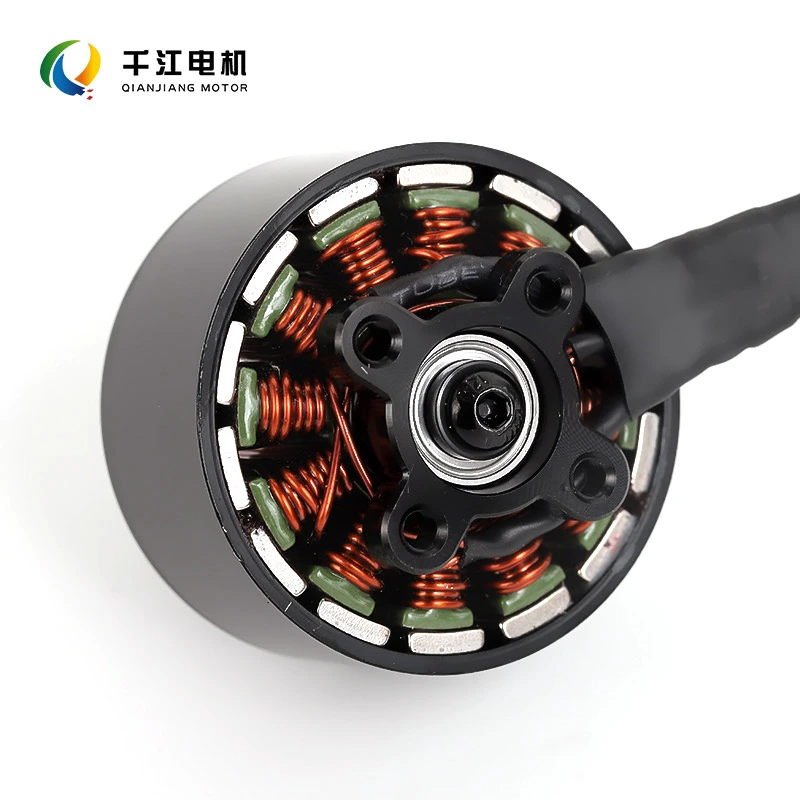
This FPV drone motor is manufactured by Qianjiang Motor and serves as the core propulsion unit for racing, freestyle, and Cinewhoop drones. Featuring an outrunner brushless design driven by an ESC, thereby eliminating the friction associated with traditional brushed motors, it delivers high RPM, rapid response, high thrust, and a lightweight profile.
Balancing explosive power with operational efficiency, this motor is compatible with various FPV frame sizes (including 5-inch, 3-inch, and 2.5-inch models) and is suitable for applications ranging from racing competitions and freestyle aerobatics to cinematic FPV flight and custom drone builds.
What Are the Advantages of FPV Drone Motors?
1. Powerful Performance
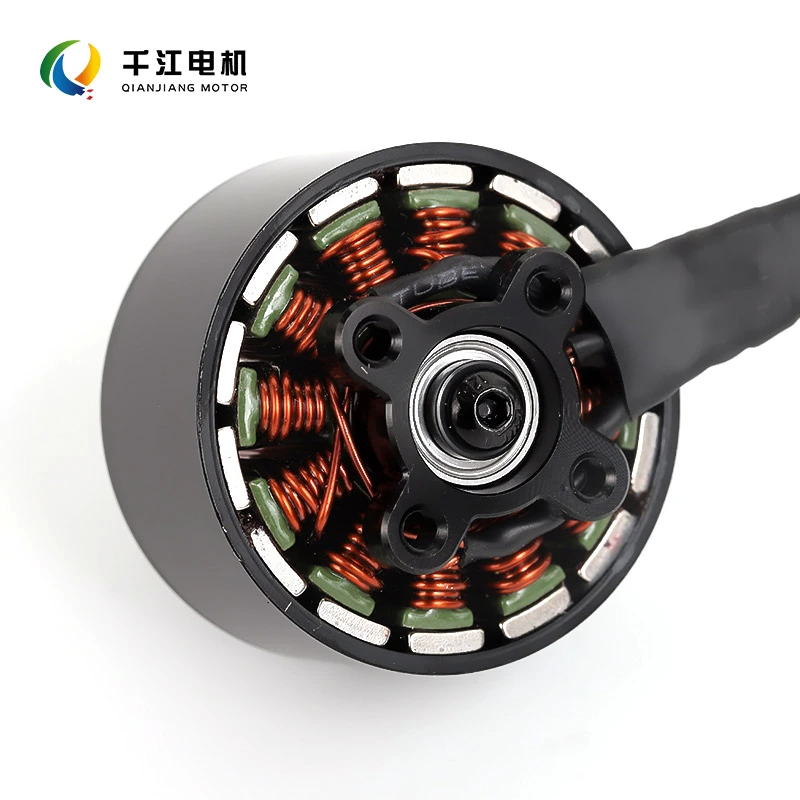
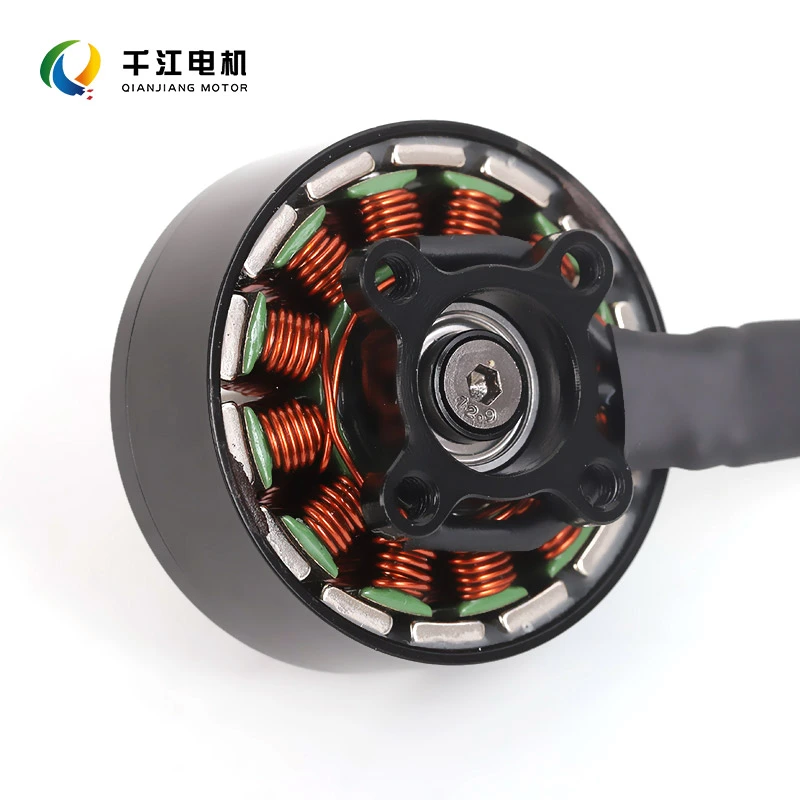
These motors utilize high-grade, heat-resistant magnets and an optimized stator winding process with a high fill factor, delivering abundant torque output.
Throttle response is immediate and precise; maneuvers such as rolls, rapid acceleration, and dives are executed with direct feedback, meeting the demands of high-intensity freestyle and racing flight.
2. Efficient Heat Dissipation
Featuring a custom heat-dissipating rotor structure and 200°C heat-resistant enameled wire, the design minimizes copper and iron losses. Temperature rise remains controlled during heavy-load flight, reducing the risk of magnet demagnetization and ensuring stable performance during prolonged, aggressive flying.
3. Impact-Resistant, Reinforced Structure
Reinforced motor shafts and anti-slip propeller mount designs provide superior impact resistance during crashes and prevent propeller slippage.
High-precision bearings help reduce vibration and noise, minimize bearing wear caused by crashes, and extend the overall lifespan of the drone.
4. Multiple KV Options Available
We offer a range of KV ratings to suit various needs:
High KV: Suitable for racing with smaller propellers.
Medium KV: Balanced performance for freestyle flying.
Low KV: Suitable for larger propellers, high-voltage setups, and heavy-payload aerial photography.
Supports 2-6S LiPo batteries and is compatible with mainstream ESCs, frames, and propellers, making assembly and tuning convenient.
5. Lightweight Design
The motor features a CNC-machined aluminum alloy housing. Weight is carefully optimized to reduce mass while maintaining structural integrity, thereby improving the thrust-to-weight ratio and flight agility.
6. Easy Assembly and Maintenance
Standard mounting patterns fit the vast majority of FPV frames on the market.
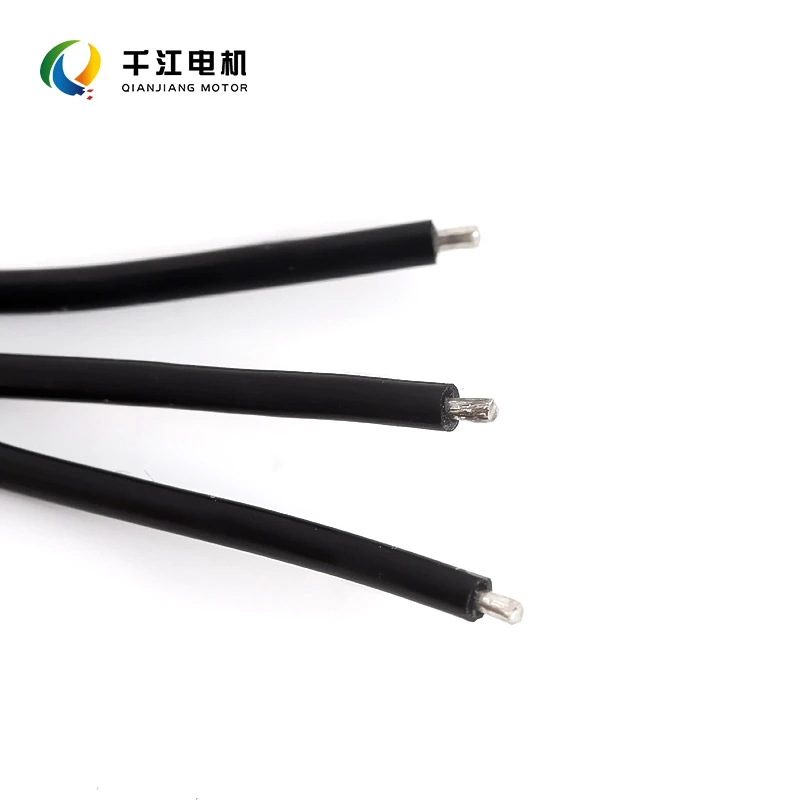
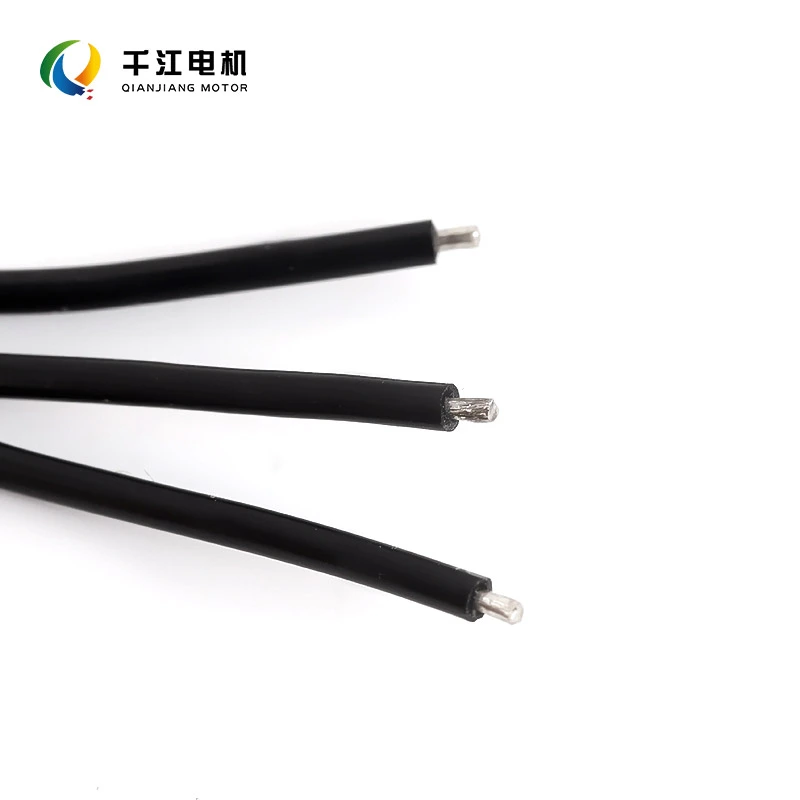
Equipped with high-temperature silicone wiring for excellent solderability and simple assembly; OEM customization for KV ratings and wire lengths is also available.
Technical Specifications
| Item | Specifications |
| Motor Type | Three-phase brushless outrunner motor |
| Stator Specifications | Available models: 1404, 2207.5, 2306, etc. |
| KV Rating | Multiple KV options (1750–6000KV) |
| Operating Voltage | 2–6S LiPo battery support |
| Shaft Diameter | 1.5mm or 3mm shaft options |
| Bearings | High-precision rolling bearings |
| Wire | 26AWG high-temperature silicone wire |
| Compatible Propellers | Compatible with matching propellers |
| Application Scenarios | Suitable for FPV racing, freestyle, Cinewhoop, and small FPV drones |
Suitable Applications
✔ FPV racing competitions and competitive training
✔ Freestyle flying and aerial videography
✔ Cinewhoop (ducted drone) filming
✔ Small 2–3 inch "Toothpick" drones and mainstream 5-inch FPV drones
✔ Model R&D and complete drone system solutions
FAQ
Q: How do I choose the KV rating?
A: KV represents the motor's RPM per volt. At the same voltage, a higher KV results in higher RPM, but this does not necessarily mean greater thrust.
High KV: Suitable for lower voltage and smaller propellers.
Low KV: Suitable for higher voltage and larger propellers.
For 4S batteries, prioritize 2300–2600KV; for 6S batteries, prioritize 1700–1900KV. Select based on a combination of propeller size and airframe load; do not blindly chase high KV ratings.
Q: Why does the motor get hot during flight? What is a normal operating temperature?
A: Normal operating temperature is ≤70°C; temperatures exceeding 80°C indicate abnormal overheating.
Common causes of overheating: Propellers that are too large or have too high a pitch (excessive load), KV/battery mismatch, improper PID settings, damaged bearings, or magnet demagnetization.
If high temperatures occur, try switching to propellers with a lower pitch first and check the overall build configuration.
Q: What is the typical lifespan of an FPV drone motor?
A: Under normal, gentle flying conditions, they can last anywhere from one hundred to several hundred hours. Frequent crashes and sustained aggressive flying (full throttle) will accelerate bearing wear.
If you notice increased vibration, abnormal noise, or a significant drop in thrust, it is recommended to replace the motor.
Q: How do I match the motor, ESC, and battery?
A: The ESC's maximum current rating must exceed the motor's maximum current draw; allow for a 3–5A safety margin.
The drone's total maximum current is the sum of the current drawn by all four motors. The battery's discharge rate must meet the drone's peak instantaneous current demand to prevent excessive voltage sag and power loss.
Q: How do I adjust the motor rotation direction if it is incorrect?
A: There are two methods: ① Swap any two of the three motor wires; ② Change the rotation direction in the ESC firmware settings.
Ensure you match the rotation with the correct CW (clockwise) or CCW (counter-clockwise) propellers; if a motor spins the wrong way, the drone will spin uncontrollably or fail to take off.
During setup, perform a low-throttle test without propellers first; only install the propellers for a test flight after confirming all motors are spinning in the correct direction.
Q: What is the issue if the motor vibrates heavily while spinning after a crash?
A: Most likely causes include a bent motor shaft, bearing damage from impact, or displacement of the rotor magnets.
Manually rotate the motor; if the rotation feels jerky or there is noticeable play, it is recommended to replace the motor immediately. Continuing to fly with such a motor places excessive strain on the ESC and flight controller.
Q: What causes a drop in motor thrust or a loss of power?
A: The primary cause is demagnetization of the magnets due to high temperatures; secondary causes include bearing wear and localized damage to the stator coils.
You should review whether the aircraft was flown at full throttle for extended periods, causing overheating; strictly monitor motor temperatures during flight.
Q: Can motors from different brands be mixed on the same aircraft?
A: It is best to use motors of the same model and KV rating. Mixing motors with different specifications results in inconsistent power delivery across the quadcopter, leading to drifting, handling difficulties, and compromised flight stability.
Hot Tags: FPV Drone Motor, Brushless FPV Motor, FPV Racing Motor
Send Inquiry
Please feel free to fill your inquiry in the form below. We will reply you in 24 hours.
Related Products
-
E-mail
X
We use cookies to offer you a better browsing experience, analyze site traffic and personalize content. By using this site, you agree to our use of cookies.
Privacy Policy