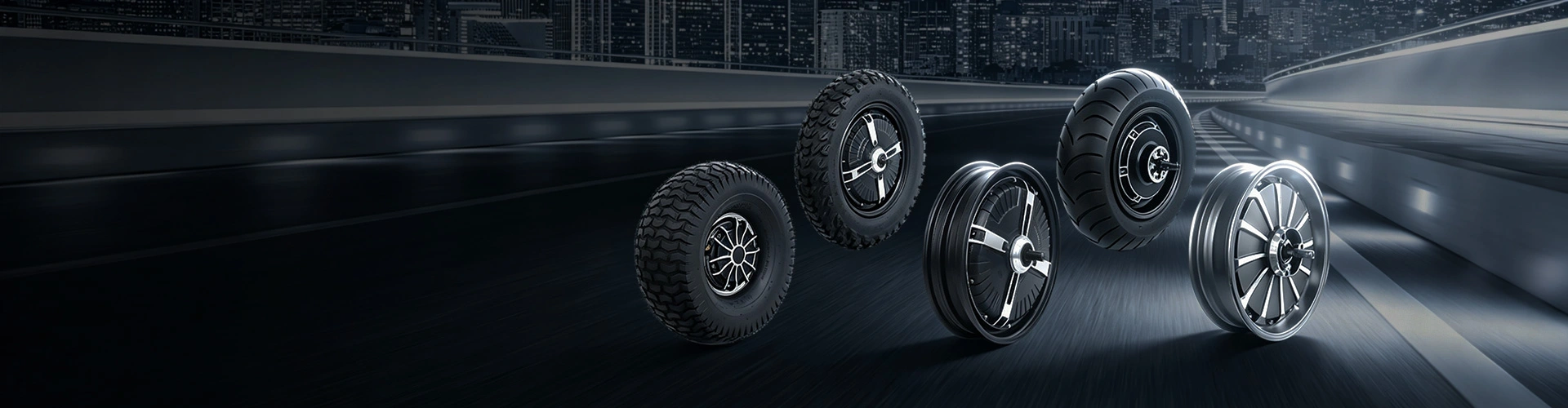
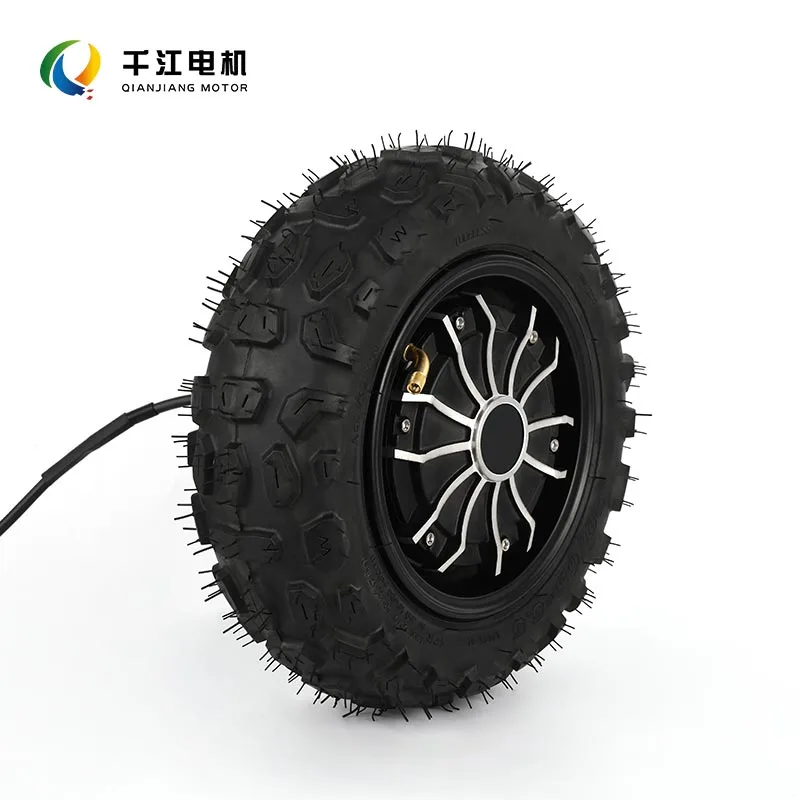
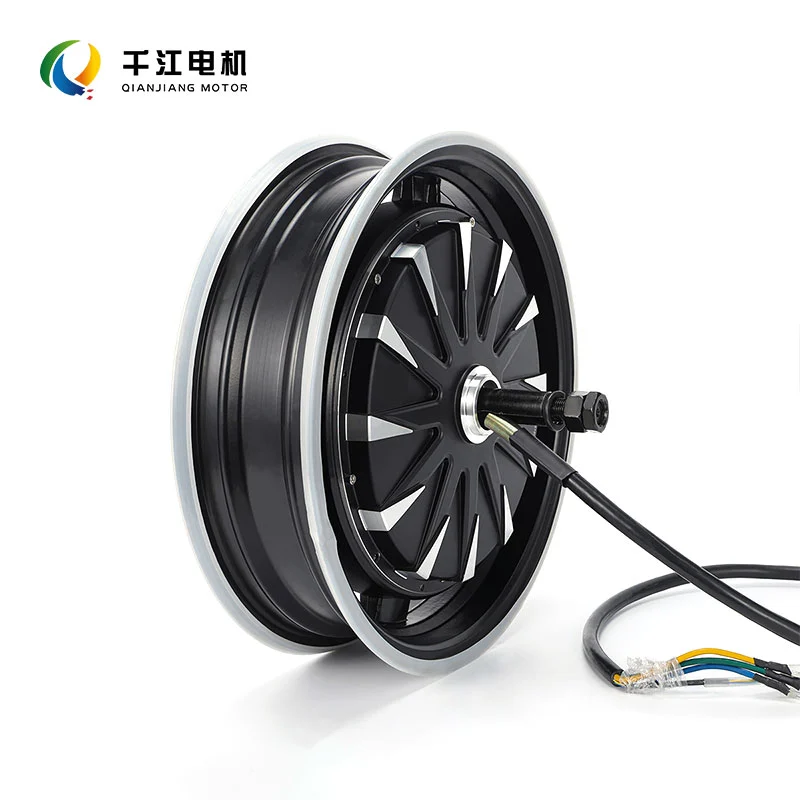
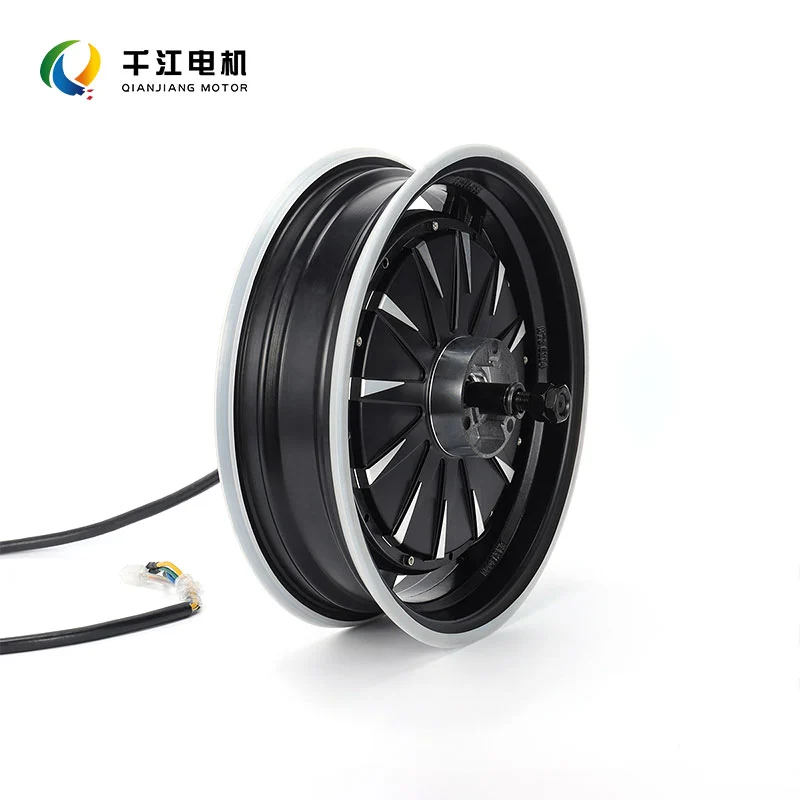
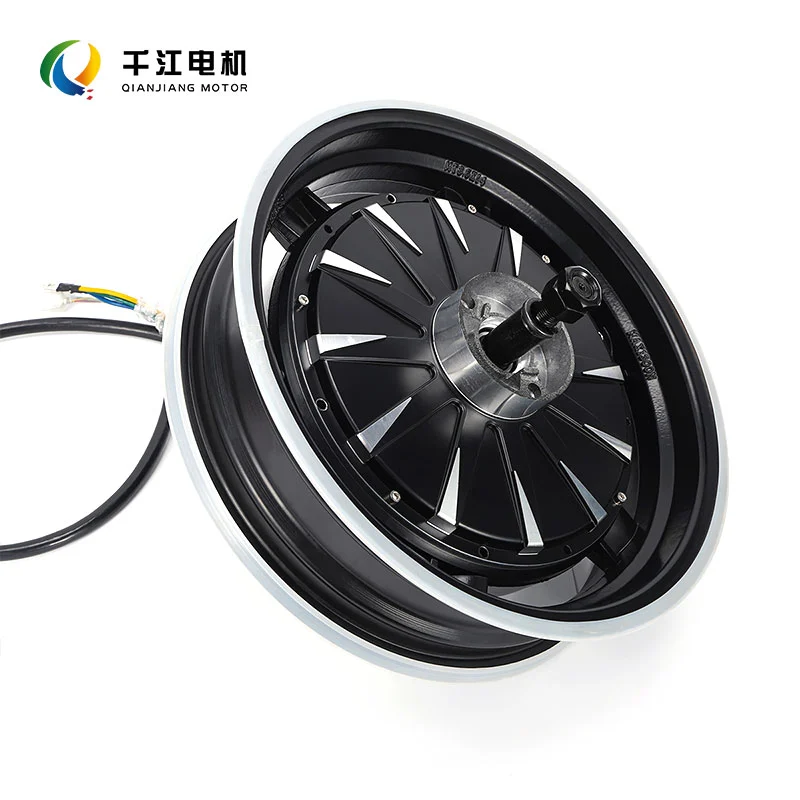
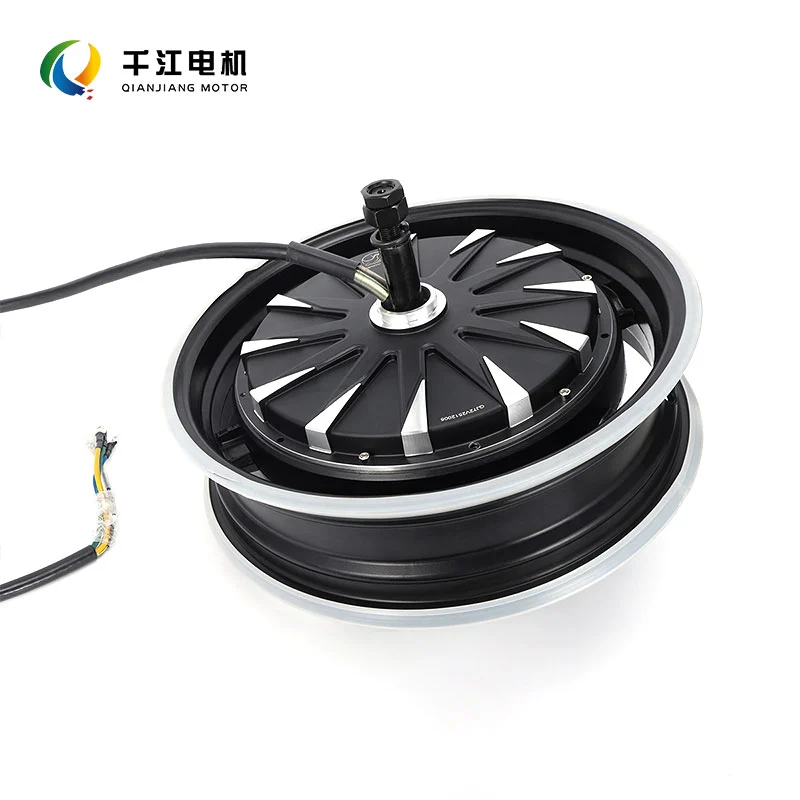
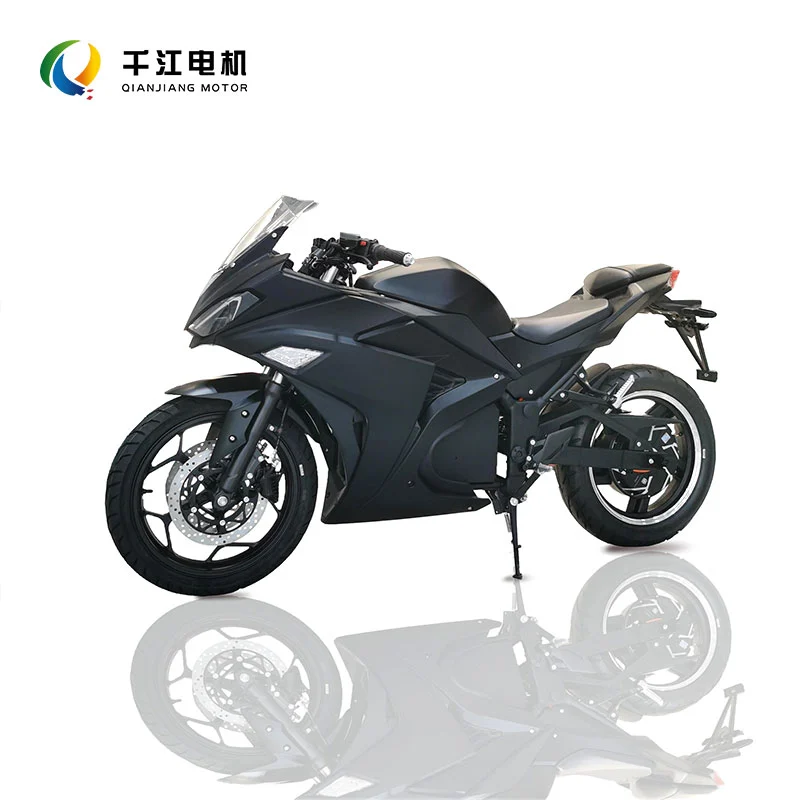
New Energy Electric Motorcycle Motor
Looking for a manufacturer and supplier of new energy electric motorcycle motors? Qianjiang Motor offers factory-direct pricing and customized solutions. This motor efficiently converts electrical energy from the battery into mechanical energy; featuring advanced, reliable permanent magnet synchronous and brushless technologies, it is built for performance. Contact us today to request a sample.
Send Inquiry
Product Description
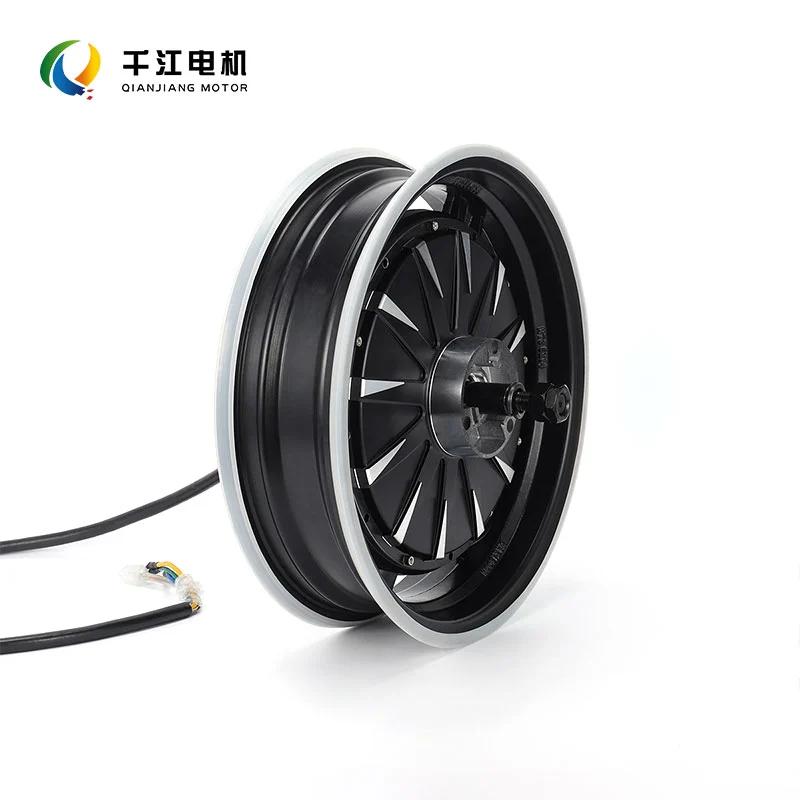
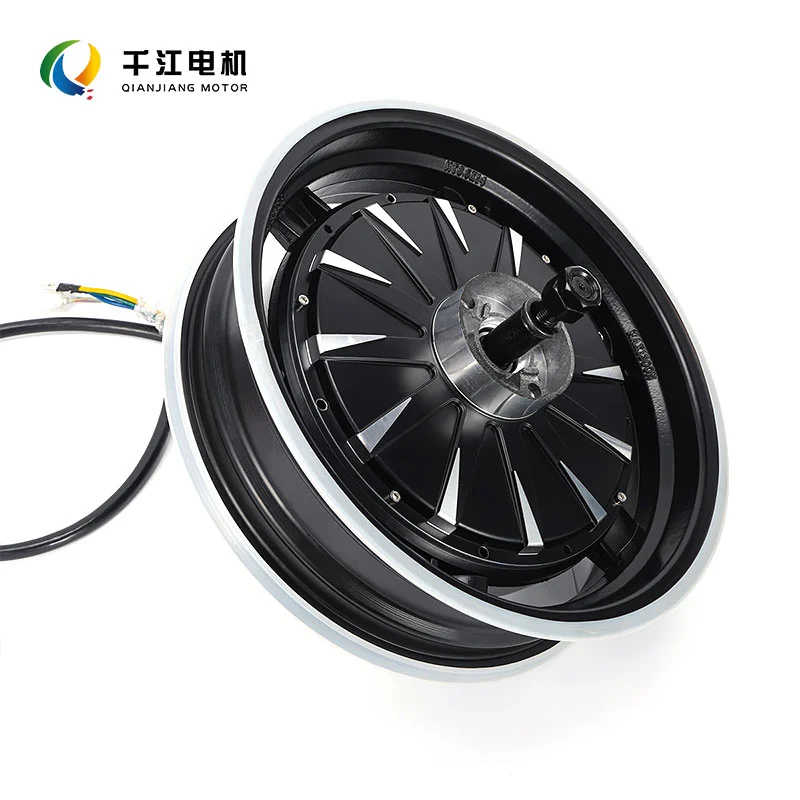
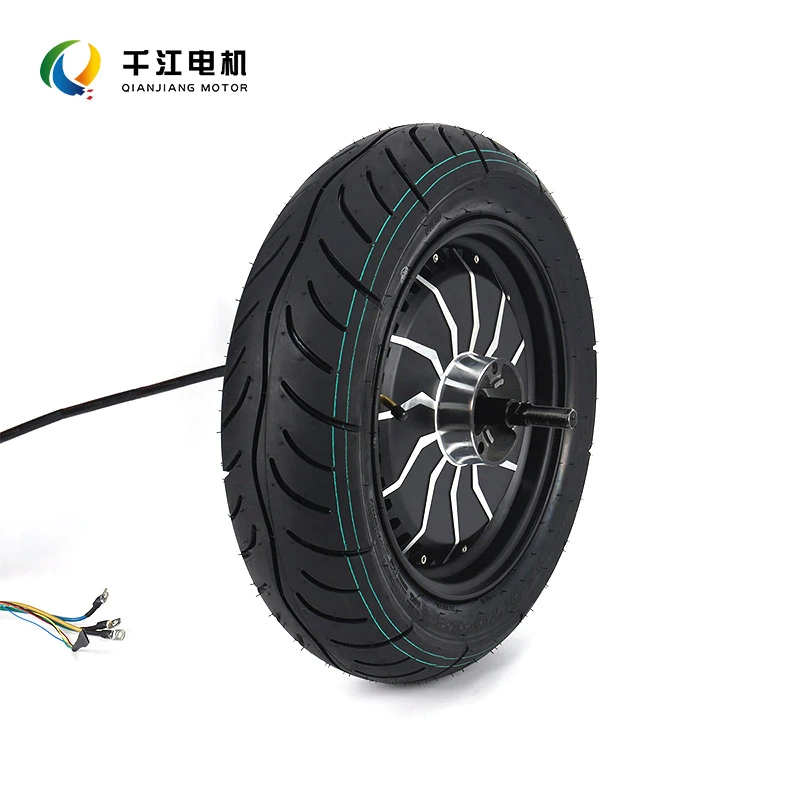
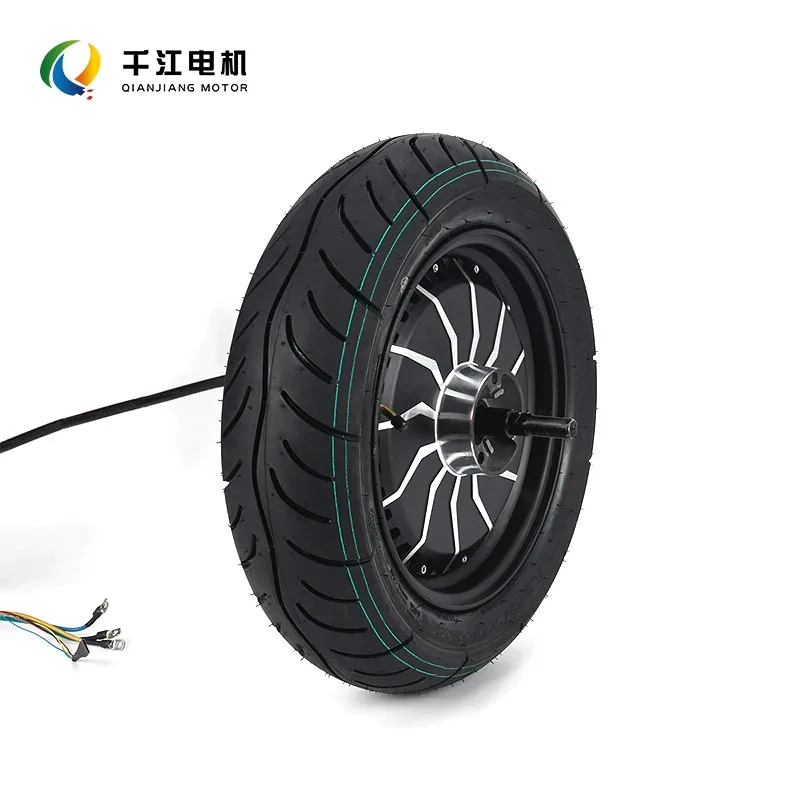
The New Energy Electric Motorcycle Motor is a high-performance drive motor specifically designed for electric motorcycles, electric mopeds, and two-wheeled electric drive platforms.
Utilizing a permanent magnet synchronous motor (PMSM) design, it features high torque, high efficiency, low noise, and high reliability, making it suitable for a wide range of applications—including urban commuting, short-distance travel, light cargo transport, and high-speed cruising.
Electric motorcycle manufacturers, customizers, shared mobility operators, and new energy powertrain integrators interested in collaboration are invited to contact Qianjiang Motor directly. As a professional manufacturer, we can provide customized solutions—including varying power ratings, voltages, mounting dimensions, and control systems—tailored to the specific requirements of different vehicle models.
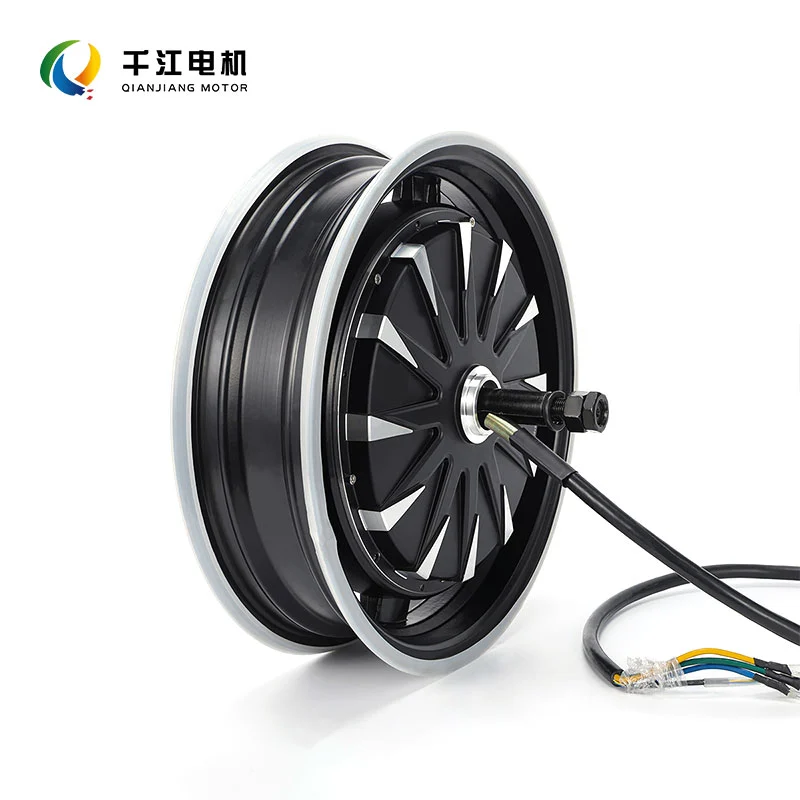
Product Structure
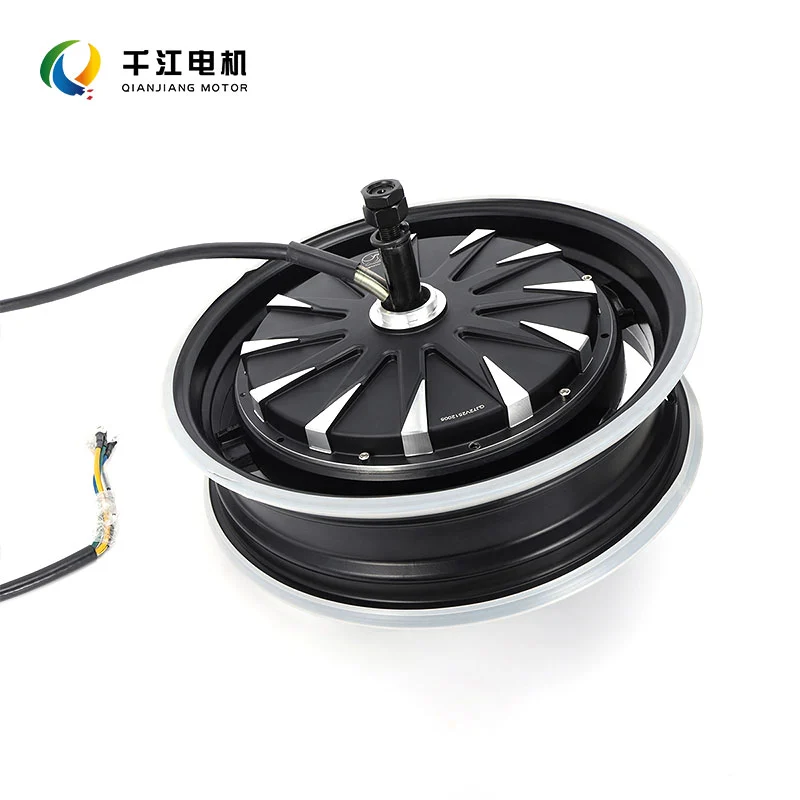
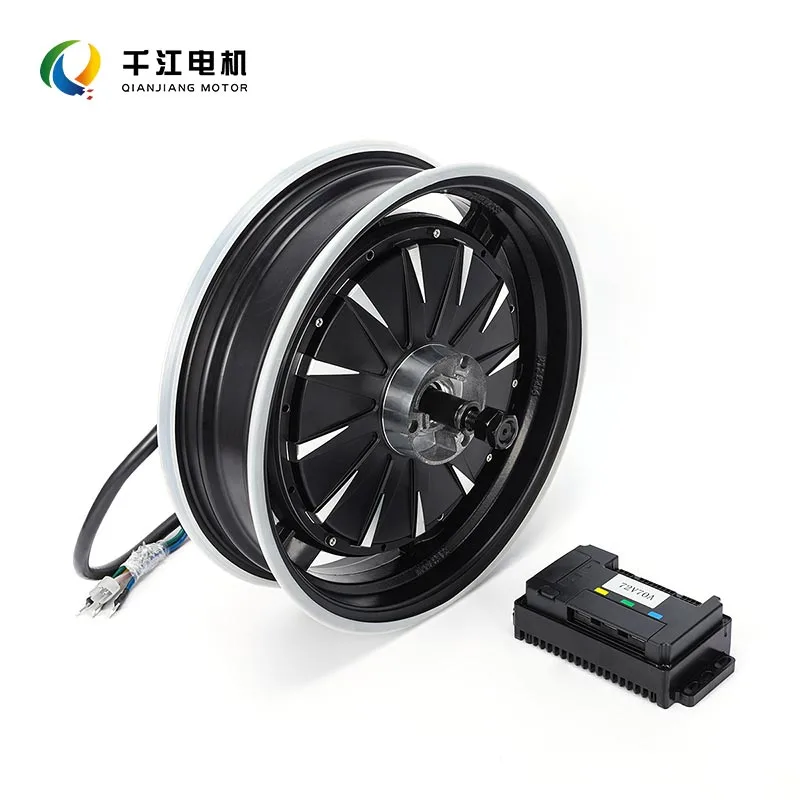
The New Energy Electric Motorcycle Motor primarily consists of a stator, rotor, housing, bearings, position sensor, cooling structure, and mounting flange.
When paired with a high-performance vector controller, it enables precise control of torque, rotational speed, and power output, ensuring stable vehicle response during startup, acceleration, cruising, and hill climbing.
Core Product Advantages
1. High Torque Output
Featuring an optimized magnetic circuit design, the motor delivers excellent low-speed torque, ensuring rapid start-up response and direct acceleration.
It is ideally suited for the frequent stop-and-go traffic and hill-climbing scenarios typical of urban riding.
2. High Efficiency and Energy Savings
The high-efficiency operating range covers the most frequently used speeds, minimizing energy loss, extending range per charge, and reducing operating costs associated with frequent recharging.
3. Low Operating Noise
Vibration and noise during high-speed operation are minimized through stator optimization, rotor dynamic balancing, and precision assembly.
4. Robust Protection
The motor housing utilizes a high-strength aluminum alloy structure combined with a sealed design, enabling reliable performance in challenging environments such as rainy weather, water crossings, dusty conditions, and rough roads.
5. Superior Heat Dissipation
An optimized heat dissipation structure effectively limits temperature rise during prolonged operation, mitigating performance degradation caused by overheating and enhancing continuous operational stability.
6. Versatile Compatibility
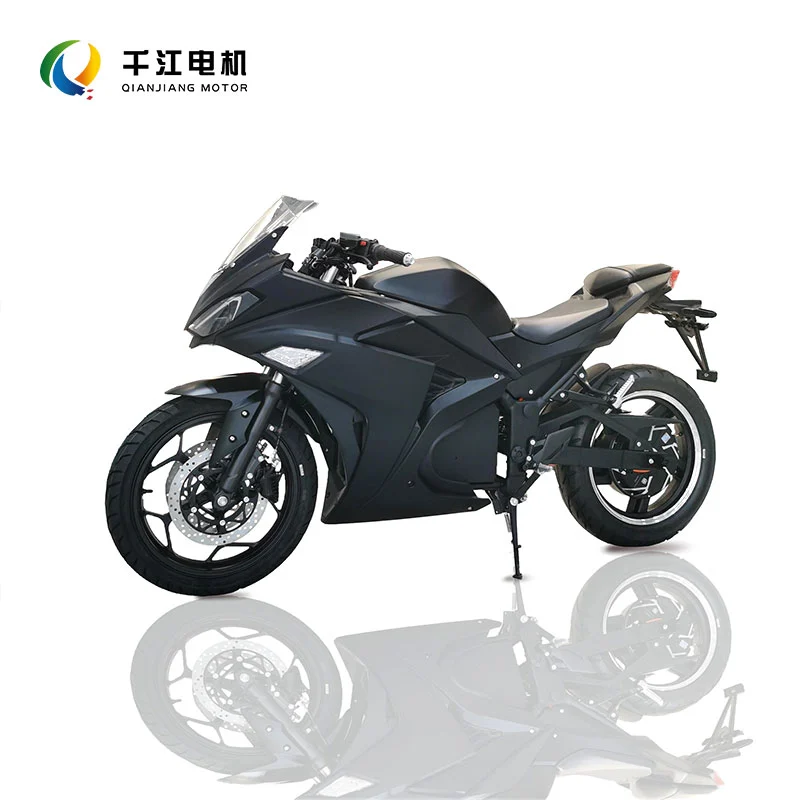
Compatible with various platforms, including electric motorcycles, light electric motorcycles, electric scooters, and light electric three-wheelers, and supports seamless integration with controllers, wiring harnesses, and battery systems.
Technical Specifications
| Item | Specifications |
| Motor Type | Permanent Magnet Synchronous Motor (PMSM) |
| Rated Power | 2000W / 3000W / 5000W / 8000W (Optional) |
| Rated Voltage | 60V / 72V / 96V (Customizable) |
| Rated Speed | 8000–6000 rpm (Customizable) |
| Peak Torque | 50–100 N·m (Customizable) |
| Cooling Method | Natural air cooling / Forced air cooling / Liquid cooling (Optional) |
| Protection Class | IP54 / IP65 (Optional) |
| Mounting Method | Flange mount / Mid-mount / Hub mount (Optional) |
| Compatible System | FOC vector controller / Sine wave control |
| Insulation Class | Class H |
| Compatible Vehicle Models | Electric motorcycle / Light electric motorcycle / Scooter / Light electric three-wheeler |
FAQ
Q: What is the difference between a high-performance electric motorcycle motor and a standard electric scooter motor?
A: Electric motorcycle motors offer higher power, greater torque, and a wider RPM range, making them suitable for high speeds, rapid acceleration, and complex road conditions.
Compared to standard electric scooter motors, they have stricter requirements regarding power response, heat dissipation, and overall vehicle system integration.
Q: Is higher motor power always better?
A: Not necessarily. Power selection should be based on vehicle weight, speed requirements, battery voltage, controller capabilities, and usage scenarios.
Excessive power in a mismatched system can lead to increased power consumption, severe overheating, and controller overload.
Q: How do I choose the motor voltage?
A: Voltage selection should be based on the battery system, controller voltage rating, wiring harness specifications, and vehicle design goals.
Common electric motorcycle systems include 60V, 72V, and 96V; higher voltages entail stricter requirements for insulation, wiring, and safety protection.
Q: Can an electric motorcycle motor be retrofitted onto a standard electric scooter?
A: Theoretically yes, but you must verify compatibility regarding frame space, mounting points, battery voltage, controller, wiring harness, braking system, and load-bearing capacity.
We recommend a system compatibility assessment before modification; you can contact Qianjiang for technical support and consultation.
Q: Is it normal for the motor to get hot?
A: Motors experience a rise in temperature when operating under load; a temperature increase following short bursts of acceleration or hill climbing is normal.
If you notice abnormally high temperatures, a burning smell, significantly increased noise, or performance degradation, stop using the vehicle immediately and inspect the load, controller, and cooling system.
Q: How can I improve the motor's range?
A: Range can be improved through a combination of measures: reducing load, optimizing control logic, using a high-efficiency controller, minimizing mechanical losses, maintaining proper tire pressure, reducing wind resistance, and optimizing battery management.
Q: What causes excessive motor noise?
A: Possible causes include mismatched controller parameters, bearing wear, poor dynamic balance, loose mounting, excessive load, or stator-rotor interference.
We recommend first checking the mounting hardware, bearing condition, and controller parameters.
Q: Does the motor require regular maintenance?
A: Yes. We recommend regularly inspecting the condition of bearings, mounting bolts, wiring harness connectors, heat dissipation structures, and waterproof seals. For vehicles subjected to high-power or high-frequency use, the inspection interval should be shortened.
Q: Can I replace the controller myself?
A: Replacing it arbitrarily is not recommended. The controller must be compatible with the motor type, power, voltage, current, sensor signals, and communication protocols; mismatched parameters can lead to loss of motor control, overheating, or damage.
Hot Tags: New Energy Electric Motorcycle Motor, Electric Motorcycle Motor Manufacturer, Custom Electric Motorcycle Motor Supplier
Send Inquiry
Please feel free to fill your inquiry in the form below. We will reply you in 24 hours.
-
E-mail
X
We use cookies to offer you a better browsing experience, analyze site traffic and personalize content. By using this site, you agree to our use of cookies.
Privacy Policy