Mountain E-Bike Mid-Drive Motor
Qianjiang Motor is a professional manufacturer and supplier of mountain e-bike mid-drive motors. Designed to meet the needs of both OEM integration and aftermarket retrofitting, these motors are compatible with hardtail and full-suspension mountain bike frames. They offer IP65-IP67 rated protection, high performance, and exceptional durability. Please contact us to request samples or to discuss customized solutions.
Send Inquiry
Product Description
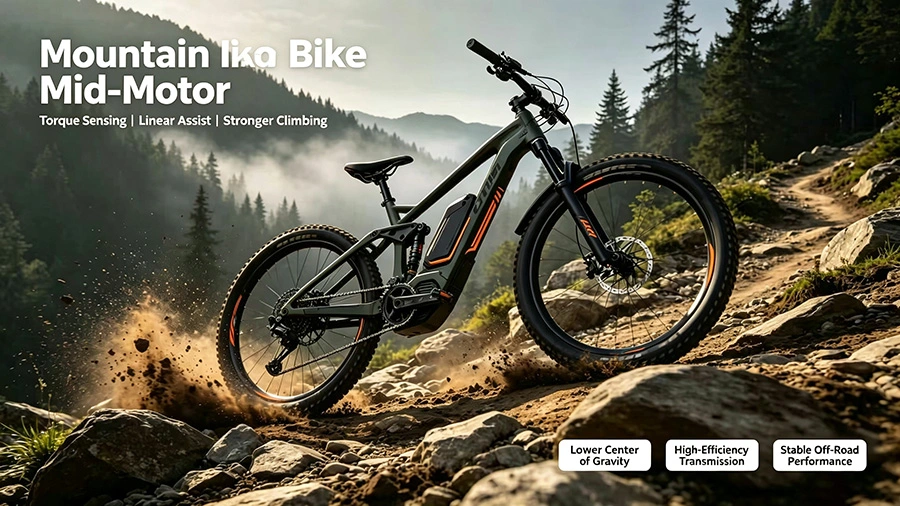
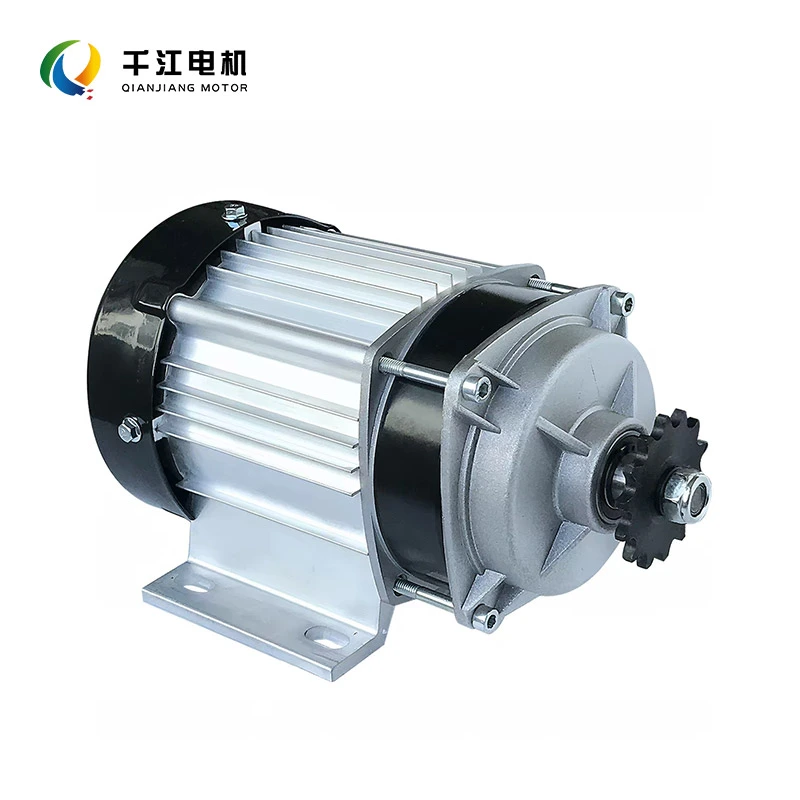
This Mountain E-Bike Mid-Drive Motor is specifically engineered for off-road riding, trail riding, XC (cross-country), and mountain bike conversions. Mounted at the bottom bracket, it leverages the bike's existing drivetrain to amplify torque; its centralized positioning ensures balanced handling. Equipped with high-precision dual sensors (torque and cadence) and FOC vector control, the motor delivers power linearly in response to pedaling effort, providing robust climbing power and a smooth ride on flat terrain.
Product Features
1. Powerful Hill Climbing
The Mountain E-Bike Mid-Drive Motor's output is amplified through the drivetrain (chainring and cassette), providing abundant power for steep slopes and muddy trails, as well as consistent, stable performance during long climbs and off-road riding.
2. Centered Center of Gravity
Mounted at the bottom bracket, the motor positions the bike's center of gravity in the middle. This ensures excellent balance on bumpy trails and through corners, preserves the mountain bike's original geometry, and maintains a riding posture similar to traditional mountain bikes.
3. Torque Sensing
Dual torque and cadence sensors detect pedaling input at the millisecond level. Power assistance synchronizes with the rider's effort, light pedaling yields gentle assistance, while hard pedaling delivers strong power, ensuring smooth, predictable acceleration without abrupt surges.
4. Low-Drag Clutch Mechanism
An integrated one-way clutch disengages the internal gears when electric assistance is turned off, resulting in minimal pedaling resistance and allowing the bike to be ridden normally without power.
5. High Durability and Protection
The unit features a high-strength metal housing with waterproof internal sealing (IP65–IP67 rated). It withstands rainy conditions and muddy splashes, ensuring reliable performance in rugged outdoor environments.
6. Modular System
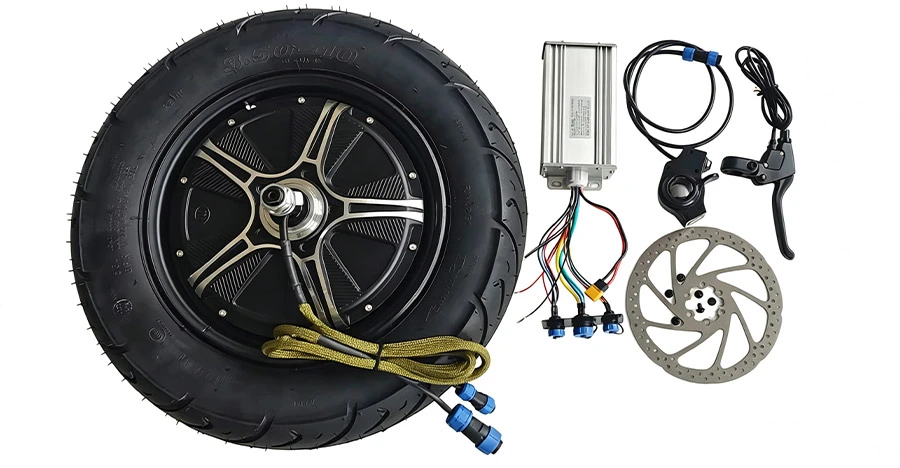
Available as a complete system including the display, controller, wiring harness, and chainring assembly.
Supports ODM parameter customization (power, torque, and assist curves) for OEMs, as well as supply of aftermarket conversion kits.
Key Application Scenarios
✔ XC (Cross-Country) mountain bikes and full-suspension e-MTBs
✔ Trail riding, long-distance mountain biking, and steep mountain terrain
✔ Retrofitting traditional mountain bikes with e-bike systems; OEM integration for new bike models
Product Specifications
| Item | Specifications |
| Motor Type | Brushless DC mid-drive motor |
| Rated Power | 250W / 350W / 500W (selectable) |
| Peak Torque | 80–120 N·m |
| Operating Voltage | 36V / 48V |
| Sensor | Torque sensor + cadence sensor + speed sensor |
| Mounting Specifications | 68–73mm bottom bracket (compatible with spacer washers) |
| Ingress Protection Rating | IP66 |
| Motor Weight | Approx. 2.8–3.6 kg |
| Assist Modes | Multi-level pedal assist; supports customizable assist curves |
| Drivetrain Compatibility | Standard mountain bike chain and cassette drivetrain |
FAQ
Q: Mid-drive motor vs. hub motor, which is better for mountain biking?
A: Mid-drive motors are the preferred choice for off-road mountain biking. They utilize the bike's existing gear system to amplify torque, resulting in superior climbing ability and balanced weight distribution. This ensures better handling on rough, bumpy trails.
In contrast, hub motors add unsprung weight to the wheel and offer limited torque on steep inclines, making them better suited for flat-road commuting.
Q: Is there significant pedaling resistance when the power is off?
A: The system features a built-in clutch mechanism; when pedal assist is turned off, the motor gears disengage from the drivetrain, making the pedaling resistance comparable to that of a standard bicycle. For frequent off-road use, we recommend periodic maintenance and re-greasing of the internal gears.
Q: What is the difference between a torque sensor and a cadence sensor?
A: A torque sensor detects the amount of force applied to the pedals; the level of assistance adjusts dynamically based on your pedaling effort, providing a natural riding experience.
A cadence sensor only detects pedal rotation regardless of the force applied, resulting in a less smooth, more abrupt power delivery. This model utilizes a dual-sensor system combining both torque and cadence sensing.
Q: Can I customize the assist levels or speed limits myself?
A: Assist limits are set at the factory to comply with regulations. While manufacturers may offer software customization, general users should not attempt to reprogram the controller themselves; doing so voids the warranty and may violate local regulations.
Q: Does the mid-drive motor cause excessive wear on the chain and cassette?
A: Since the motor's power is transmitted through the chain, chain wear is slightly higher compared to a standard bicycle; this is normal.
We recommend regularly inspecting the chain and chainring for wear and performing timely maintenance or replacement.
Q: What usually causes abnormal noise from the motor?
A: 1. Loose mounting bolts
2. Chain rubbing against the chainring guard
3. Wear due to a lack of lubrication on internal gears
If you hear abnormal noise, stop riding and check the installation; do not continue aggressive riding.
Hot Tags: Mountain E-Bike Mid-Drive Motor Manufacturer, Electric Mountain Bike Mid-Drive Motor Supplier, E-Bike Mid Drive Motor Wholesale
Send Inquiry
Please feel free to fill your inquiry in the form below. We will reply you in 24 hours.
Related Products
-
E-mail
X
We use cookies to offer you a better browsing experience, analyze site traffic and personalize content. By using this site, you agree to our use of cookies.
Privacy Policy